
The spine plays an important role in how your body moves, adapts and responds to physical stress. Restrictions in joint mobility, altered movement patterns or reduced neuromuscular control can contribute to pain, stiffness, injury risk and reduced performance. In practice, chiropractic care may help to:
Chiropractic
Chiropractic care is a regulated healthcare profession focused on the assessment, management, and long-term care of the spine, joints, nervous system and movement. At SPINELAB, care is guided by a thorough assessment of how your body moves, responds to load and adapts over time, not a one-size-fits-all adjustment.
- ACC registered, no GP referral needed
- We can lodge your ACC claim
- VALD HumanTrak movement analysis
- Westmere, Auckland
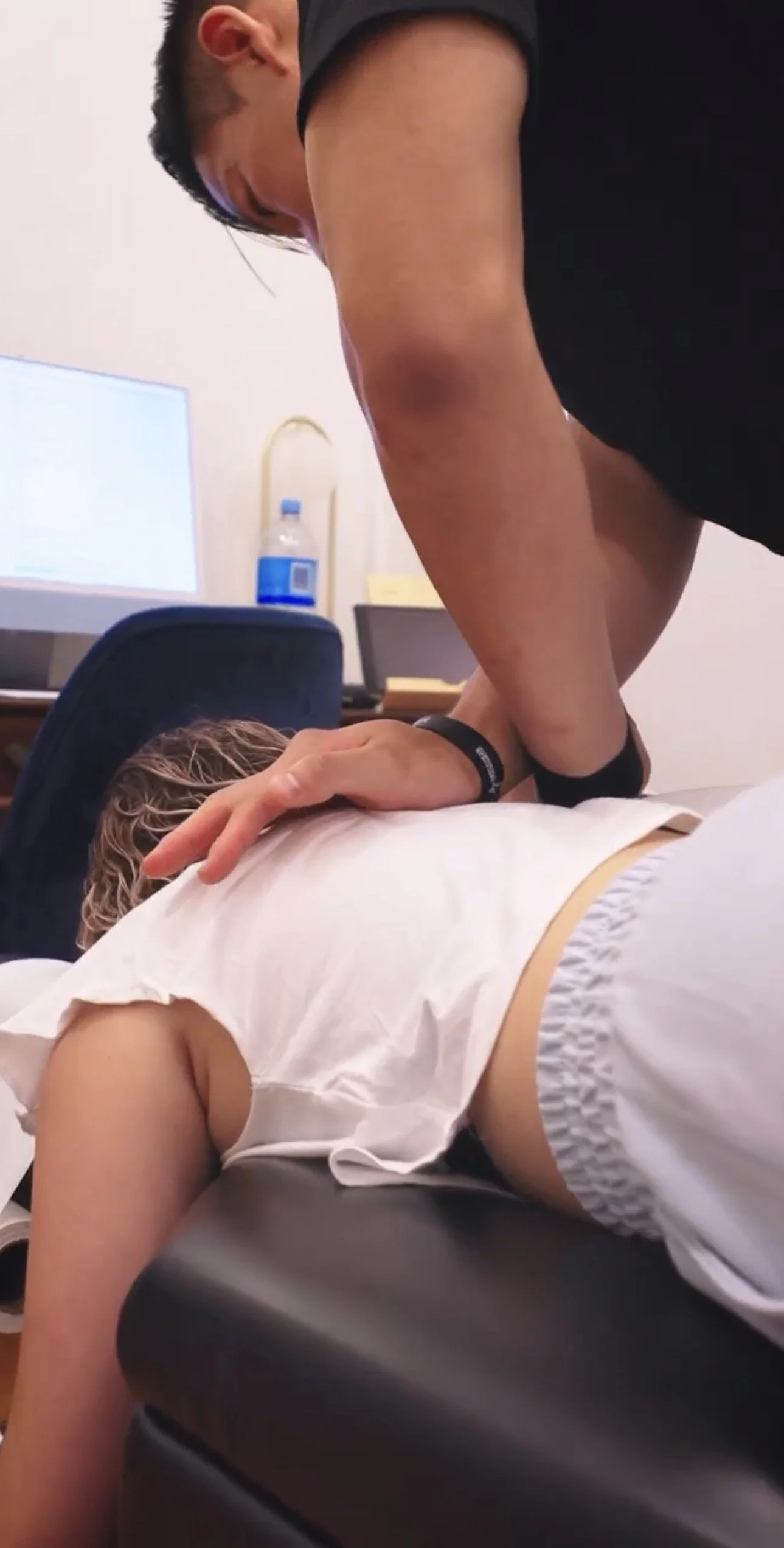
How chiropractic care can help
- Improve joint mobility and overall movement quality
- Reduce pain and mechanical stress on the body
- Support nervous system function related to movement and coordination
- Restore more efficient and resilient movement patterns
Treatment may involve hands-on techniques such as joint mobilisation or adjustment, alongside movement assessment and exercise-based strategies when appropriate. The goal isn't simply short-term symptom relief, it's to help restore movement quality, improve how your body functions under load, and support long-term resilience.
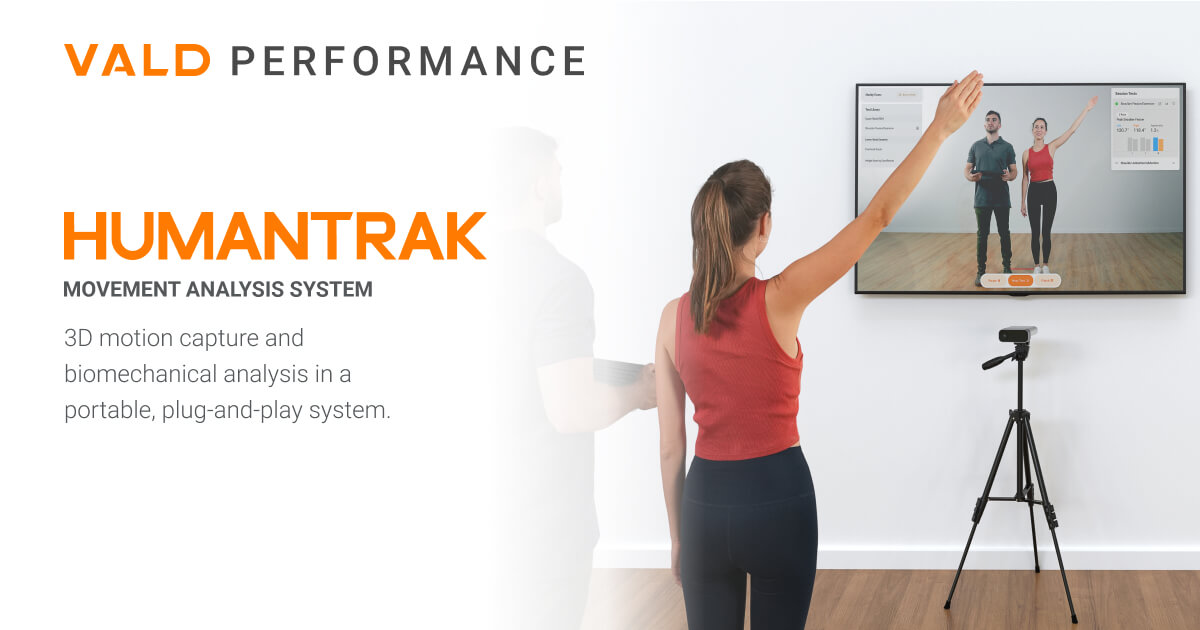
Our point of difference: VALD HumanTrak
SPINELAB uses VALD HumanTrak, 3D movement-tracking technology, to bring objective data into your care. We track how you move at your first assessment, then reassess after 3 months of your care routine to see real, measurable change.
We also run balance testing and athletic jump testing to pick up asymmetries between the left and right sides of your body, helping guide both injury prevention and performance gains.
Who we work with

Athletes
We work with competitive and semi-competitive athletes across a range of sports, supporting performance, recovery and injury management. Care is tailored to training demands, competition schedules and long-term resilience.
Office workers & professionals
For those spending long hours at a desk or on their feet, chiropractic care can help address postural strain, stiffness and movement-related discomfort.
Recreational sportspeople
From runners and golfers to recreational and competitive sport, we support movement efficiency, recovery and long-term physical resilience.
Recovering from injury
Whether from sport, work or daily activities, we support recovery with movement-focused care tailored to your stage of healing.
Busy parents & everyday movers
Life is physical, lifting, carrying and staying active. We help manage the physical demands of everyday life so you can move comfortably and with confidence.
Growing kids & active teens
We support growing kids and active teens through periods of rapid growth, sport and changing physical demands, helping promote healthy movement and resilience.
Families
We work with families of all ages, helping support movement, comfort and active lifestyles at every stage of life.
Your journey: restore, rebuild & perform
01 · RESTORE
Reduce pain, improve movement
Detailed assessment and hands-on chiropractic care to improve joint motion, reduce irritation and support the nervous system's ability to regulate movement, settling acute issues and preparing the body for further progress.
02 · REBUILD
Strength, stability, control
Once movement improves, the focus shifts to rebuilding strength and control through targeted rehab, corrective exercise and progressive loading, so the body can better manage everyday and training demands.
03 · PERFORM
Move better, live stronger
Care is directed toward maintaining progress, refining movement patterns, and supporting the activities that matter most to you, whether that's sport, work or everyday life.
Injury? ACC is straightforward here.
SPINELAB is an ACC-registered provider. You do not need a referral from your GP, you can book directly, and we can lodge an appropriate ACC claim for you at your first visit.
ACC-funded visits are charged at a reduced surcharge. Current fees are listed on our pricing page.
Care and outcomes are individual to each person. This page describes chiropractic care generally and how it is delivered at SPINELAB, it is general information, not a diagnosis, and does not promise a particular outcome.